From Fear to Trust in Crypto 2025 - Regulation, Security, and Real-World Utility

From Fear to Trust in Crypto 2025 - Regulation, Security, and Real-World Utility
Crypto has always moved in cycles of euphoria and anxiety, but 2025 is shaping up to be a different kind of turning point. Market sentiment has hovered in the fear zone for weeks, high profile wallet incidents have reminded users that security is never set and forget, and global regulators from Asia to the EU are tightening licensing regimes. At the same time, real world assets like tokenized gold are gaining traction, signaling a shift from speculation to utility.
This convergence is not a contradiction. It is a reset. The sector is maturing around three pillars that matter most for mainstream adoption: clearer rules, better security, and real world use cases that connect digital rails to tangible value. If you are an investor, builder, or curious observer, understanding how these pillars interact will help you navigate the next phase with confidence rather than fear.
Pillar 1 - Rules Are Getting Clearer, Not Stricter for the Sake of It
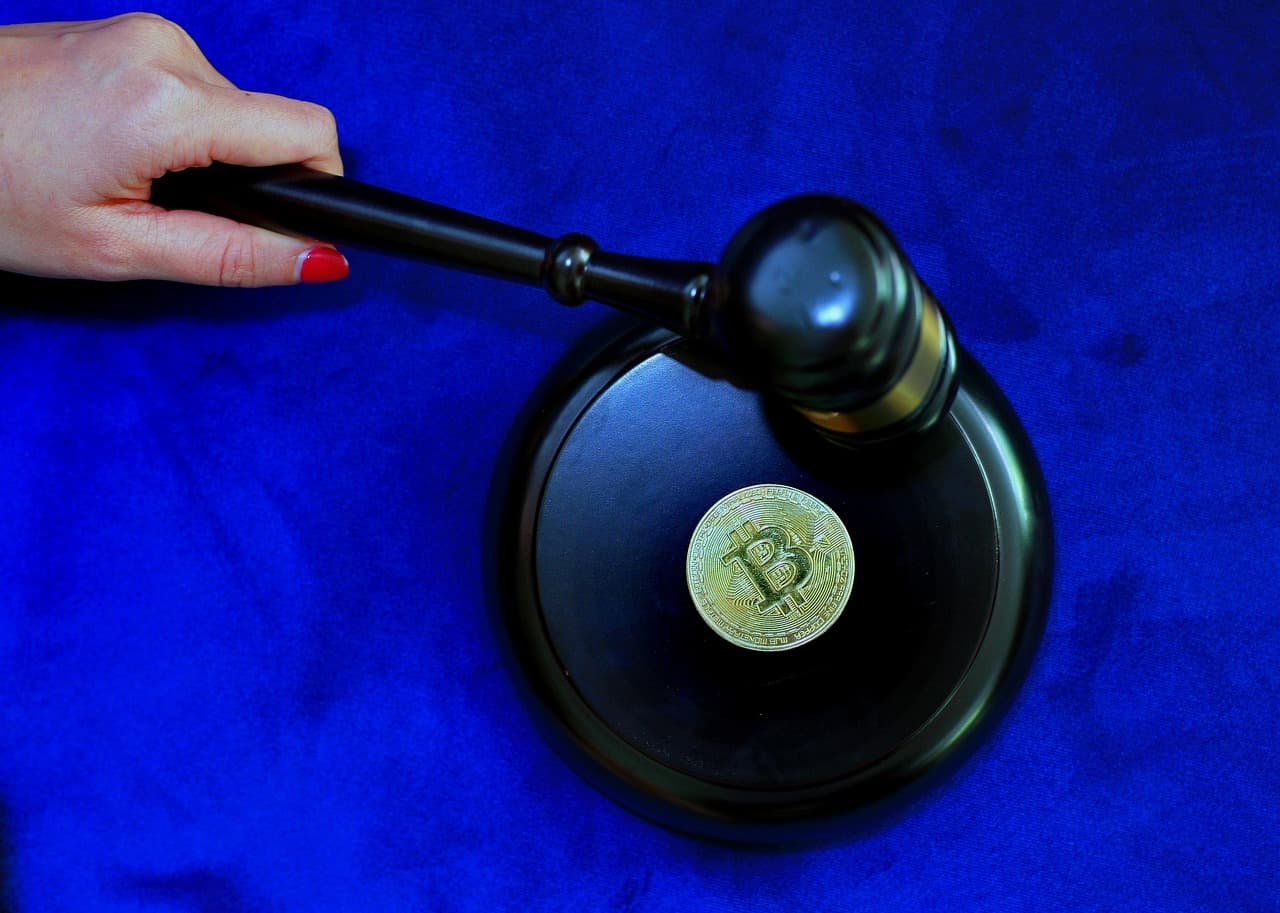
In 2025, licensing for crypto dealers and custodians is expanding in key hubs. Jurisdictions like Hong Kong are refining permissions to bring more activities into a regulated perimeter, and EU members such as Lithuania are enforcing deadlines for full compliance. The message is consistent: institutions want crypto to operate with the same safeguards as traditional finance, especially where client assets and custody are involved.
What does that mean in practice? Expect more transparent disclosures, capital requirements for custodians, robust incident reporting, and audits of how private keys are generated, stored, and segregated. For users, this is good news. Regulated venues will need to demonstrate stronger operational resilience and clearer consumer protections. The tradeoff is slower product launches and tighter onboarding controls, but the prize is durable access that does not disappear the next time markets wobble.
For builders, licensing is no longer optional if you want scale. Compliance has turned into a product feature. Teams that bake in travel rule support, KYC modularity, and custody attestations from day one will move faster later because they will not have to rebuild internal controls under time pressure.
Pillar 2 - Security Culture After the Latest Wallet Incident
Security is not a checkbox. The recent drain of millions of dollars from affected wallet users after a compromised software update underscores the oldest truth in crypto security: your threat surface is everywhere. Even a reputable brand can face supply chain risk if a specific version is compromised.
The response must be layered. Hardware isolation for signing, deterministic builds, permission controls for updates, and user education on session approvals all matter. If you self custody, you also need an incident playbook that you test periodically. And if you rely on a third party wallet, ask questions. Do they publish reproducible builds? Do they use multiple signers for releases? Can you verify binaries from source? Transparency is a signal of maturity.
Pillar 3 - Real World Assets Are More Than a Buzzword
Tokenized commodities like gold are stepping out of whitepapers and into actual products. When a crypto focused firm allocates capital and operations to bridge physical metals with digital tokens, it suggests that the business case has crossed a threshold. Investors want 24 by 7 settlement, programmable ownership, and global transferability for assets that have centuries of trust behind them.
The opportunity is significant, but so are the details. Tokenized gold involves vault audits, chain of custody records, redemption logistics, and oracle design for fair pricing. Get these right and you unlock collateral that is familiar to institutions and accessible to retail. Get them wrong and you end up with paper claims that do not match reserves. The winners in this space will combine commodity discipline with crypto speed.
Market Psychology - Fear Can Be Productive When It Leads to Discipline
Extreme fear on sentiment gauges tends to push short term traders to the sidelines. Builders and allocators can use this lull to strengthen foundations. During fear cycles, marketing yields to substance. It becomes easier to prioritize the boring but vital work like key ceremonies, disaster recovery tests, and regulatory mapping for each revenue stream.
For long term participants, fear provides two benefits. First, it surfaces weak points in tooling and processes. Second, it reduces noise, making undervalued assets or mispriced risks more visible. The key is not to ignore fear, but to channel it into disciplined action.
Action checklist for investors and builders
- Map your exposure: List custodial accounts, self hosted wallets, exchanges, and protocols you use. Note chain, address, and purpose for each.
- Segment your funds: Separate hot spending, active trading, and deep cold storage. Align signing requirements and device risk to each segment.
- Verify your tools: Prefer wallets with reproducible builds, published security audits, and transparent release processes.
- Rehearse incident response: Practice a simulated breach. Time how long it takes to rotate keys, revoke approvals, and notify partners.
- Review counterparty risk: For any exchange or custodian, read their licensing status, proof of reserves methodology, and insurance coverage details.
- Demand RWA transparency: If using tokenized commodities, check vault providers, audit frequency, redemption terms, and oracle sourcing.
- Automate compliance data: If you operate a product, embed travel rule and AML data capture so audits do not become fire drills.
- Document governance: Maintain clear policies for key access, code deployment, and change management. Signatures should match documented roles.
What To Watch Next
- Licensing milestones: Deadlines in European jurisdictions will pressure laggards to upgrade or exit. Expect consolidation in service providers.
- Custody innovation: Threshold signatures, account abstraction, and hardware integrations will deliver better UX without sacrificing control.
- RWA liquidity: The first wave of tokenized metals and credit products will prove if these markets can sustain tight spreads and fast settlement.
- Sentiment normalization: As fear relaxes, watch whether new inflows prefer regulated venues and asset backed tokens over pure meme cycles.
The Bottom Line
Trust is not a slogan. It is the compound effect of rules users can understand, security they can verify, and utility they can experience. In 2025, crypto has the chance to rebuild that trust by aligning with real world standards while preserving the open, programmable core that made it transformative. Use this period to upgrade your stack, choose transparent partners, and focus on assets and protocols that can explain exactly how they work. When the next wave of attention arrives, you will be ready to grow without compromising the principles that brought you here.

The New Map of Crypto Licensing in 2025 - How Hong Kong and the EU Are Shaping Compliance

Self Custody in 2025 - A Practical Security Playbook After the Trust Wallet Incident

Digital Gold Gets Real - How Tokenized Commodities Are Reshaping Crypto Investing